NeoPulse
The dinosaurs didn't see it coming. We will.
WHY THIS EXISTS
We are one rock away from extinction. The dinosaurs had no warning. We do.

Chelyabinsk fireball, 2013

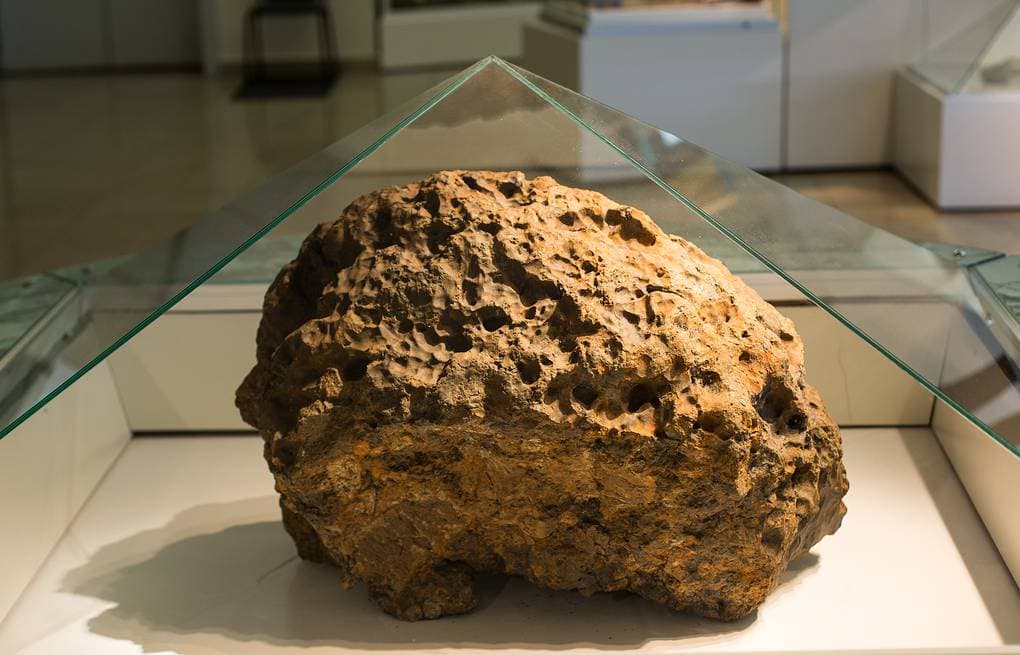
Recovered meteorite fragment
Shockwave damage, Chelyabinsk
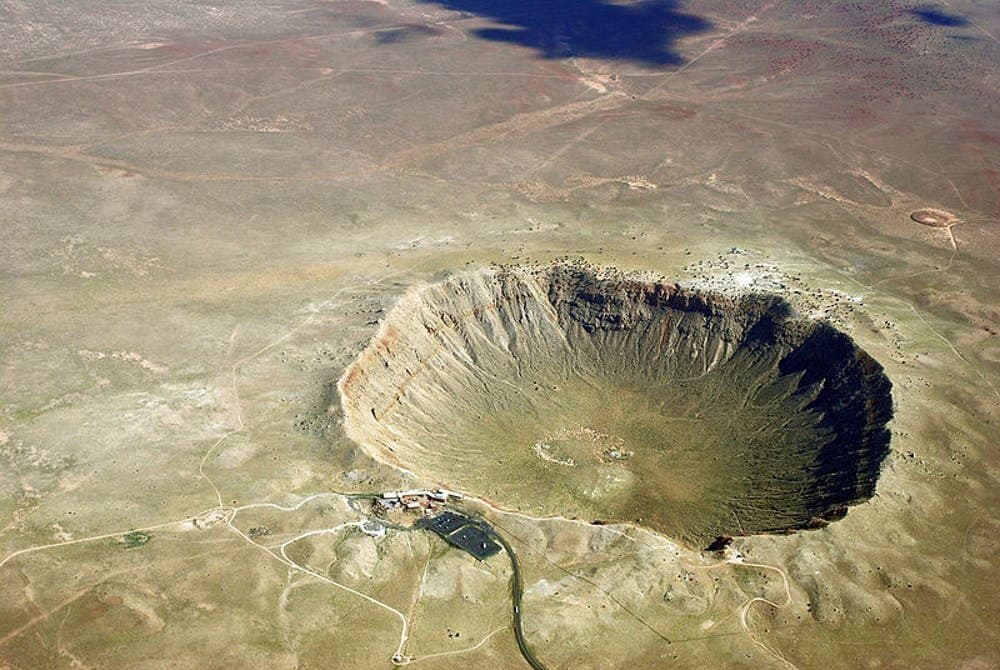
Barringer Crater, Arizona
One rock. 1,500 people injured.
Zero warning.
On the morning of February 15, 2013, a 20-metre asteroid entered Earth's atmosphere travelling at 60,000 km/h. It exploded over Chelyabinsk, Russia, releasing energy equivalent to 30 Hiroshima bombs. Windows shattered across six cities. Over 1,500 people were treated for injuries — mostly from flying glass caused by the shockwave. Not a single alarm was raised before impact.
That was a small rock. The one that ended the dinosaurs was 10 kilometres wide. It struck the Yucatan Peninsula 66 million years ago and wiped out 75% of all life on Earth. No species, however advanced, outran it. One impact is all it takes.
The difference between us and the dinosaurs is that we have telescopes, data, and the ability to act. NeoPulse exists to make sure that advantage is never wasted — turning raw NASA telemetry into clear, real-time awareness so that when the next one comes, we are ready.
Somewhere out there, a rock with no name is deciding our future.
CORE FEATURES
AI-powered analysis tools to monitor, predict, and understand asteroid threats
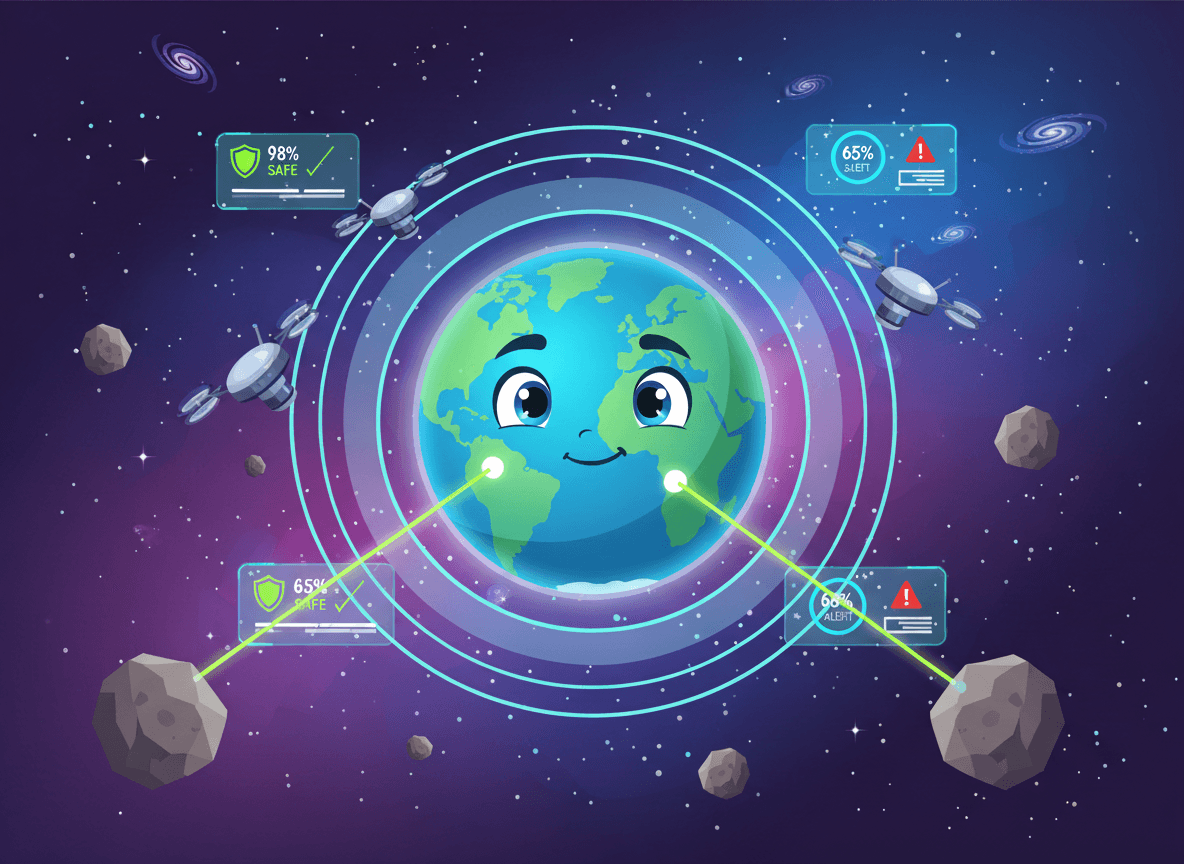
Earth Pulse
A real-time health check on Earth's safety. Earth Pulse analyzes nearby asteroid activity and delivers an AI-powered summary of how safe our planet is right now.
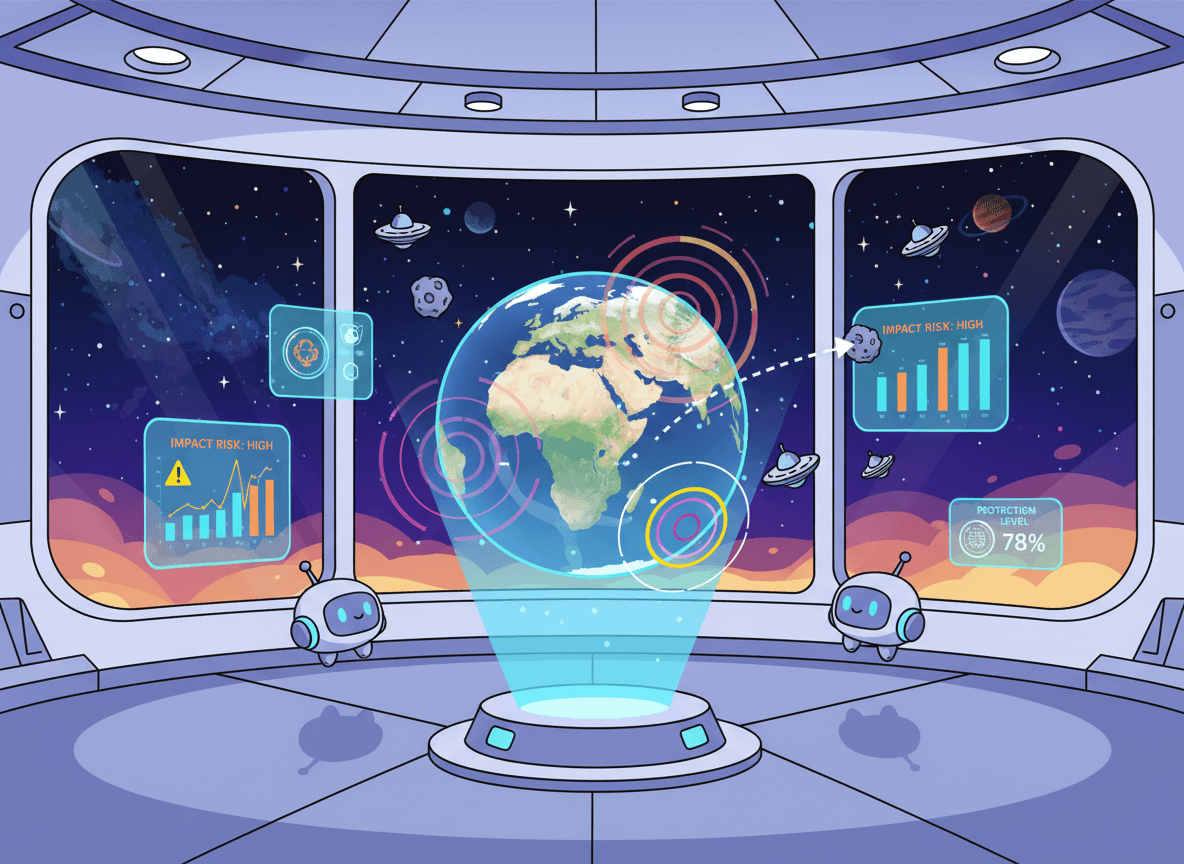
Impact Analysis
Discover what would happen if an asteroid struck Earth. Using real NASA data, Impact Analysis calculates the hypothetical destruction level and paints a vivid picture of the aftermath.
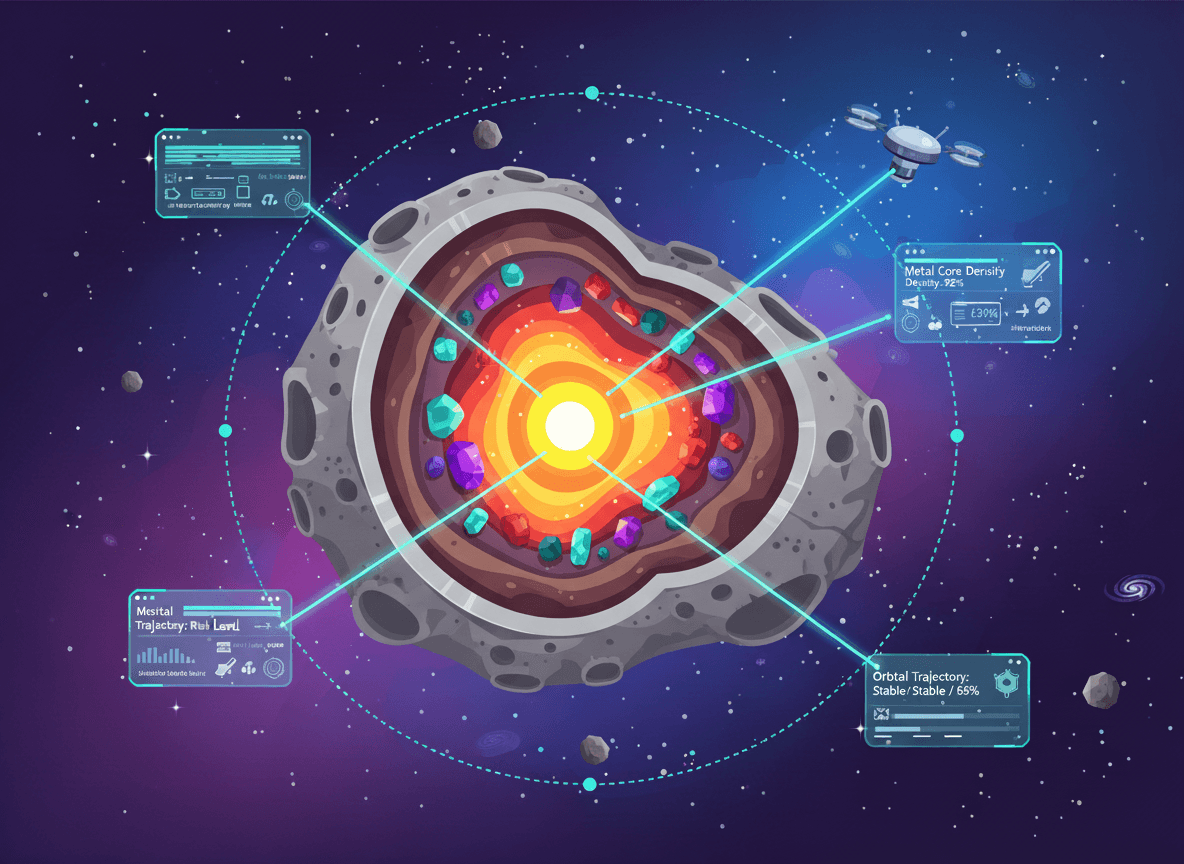
Asteroid Autopsy
Dissect any asteroid in detail. Asteroid Autopsy examines all available NASA data on a selected object and delivers a complete AI-generated profile of its behavior and risk.
HOW IT WORKS
From raw satellite telemetry to actionable insights in three steps.
NASA Feeds the Data
Close-approach records, orbital parameters, and hazard classifications are ingested live from NASA's Near Earth Object Web Service — the gold standard in planetary tracking.
AI Analyzes & Scores
Our models process every data point — size, velocity, miss distance, trajectory — and translate the raw numbers into clear threat levels and natural-language summaries.
You Get Clear Answers
Explore the asteroid catalog, run impact simulations, check Earth's live safety status, and get deep-dive profiles — all without needing a PhD in astrophysics.
DATA ACCURACY
Every asteroid, trajectory, and close-approach figure you see on NeoPulse is sourced directly from NASA's Near Earth Object Web Service (NeoWs) — the same authoritative dataset used by planetary scientists worldwide. No estimates, no guesswork.
When it comes to planetary defense, precision isn't optional. You can rest assured that the data powering every alert, analysis, and prediction here is as accurate as the science gets.